 |
Welcome to Social
|
 |
Find a donating station near you |
 |
 |
 |
 |
|
|
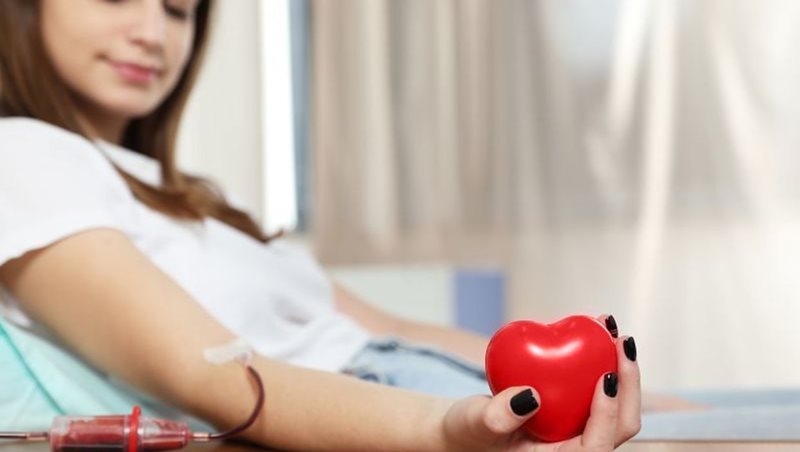
A GiftBlood is the most precious gift that anyone can give to another person — the gift of life. In as little as few minutes, you can become someone's unnamed, unknown, but all-important Hero. Saving a life is a noble work that starts very simply and easily. Donate Blood or donate Money, every form of contribution you make is important, valued and essential in our shared mission to save lives. |
 |
 |
 |
You are between the ages of 16 and 75 years old, for first time donors. You are responsible for providing accurate and complete information to SANBS regarding eligibility to donate blood. |
you weigh a minimum of 50 kgs (and platelets a minimum of 55 kgs). You are responsible for following post-collection instructions as given. |
You are in good health. Your pulse is between 50-100 regular beats per minute. Your haemoglobin level is 12.5 g/dL or above. |
 |
Who?The South African National Blood Service (SANBS) collects more than 1 000 000 units of blood a year. You consider your blood safe for transfusion. You have had a balanced meal within four hours of donating blood. |
|
The Process |
|
|---|---|
 |
 |
Answer a series of yes or no questions. Get seated in a comfortable chair. |
The process takes about 20 - 30 mins. Sometimes even quicker if they are fewer pations |
 |
 |
Help someone. People are in need and your action may save someones life. |
Recieve a free bag pen or mug. Make friends and meet new people at the various donating stations |
|
Join the community |
|---|
Images Forums |
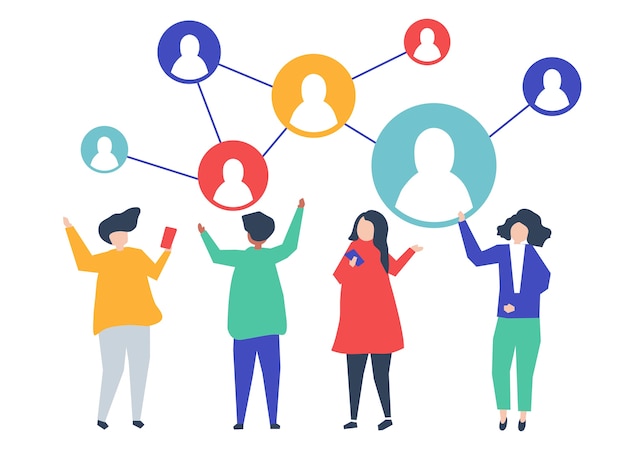
Join People in your area and others that wnat to do good by helping the people around them. The community is always growing with new people every month. See pictures and ask questions. Read news article and lean more. |
Blood groups
There are 4 main blood groups (types of blood) – A, B, AB and O. Your blood group is determined by the genes you inherit from your parents. Each group can be either RhD positive or RhD negative, which means in total there are 8 blood groups.
Antibodies and antigens
Blood is made up of red blood cells, white blood cells and platelets in a liquid called plasma. Your blood group is identified by antibodies and antigens in the blood. Antibodies are proteins found in plasma. They're part of your body's natural defences. They recognise foreign substances, such as germs, and alert your immune system, which destroys them. Antigens are protein molecules found on the surface of red blood cells.
About blood
There are 4 main blood groups defined by the ABO system: blood group A – has A antigens on the red blood cells with anti-B antibodies in the plasma blood group B – has B antigens with anti-A antibodies in the plasma blood group O – has no antigens, but both anti-A and anti-B antibodies in the plasma blood group AB – has both A and B antigens, but no antibodies Blood group O is the most common blood group. Almost half of the UK population (48%) has blood group O. Receiving blood from the wrong ABO group can be life threatening. For example, if someone with group B blood is given group A blood, their anti-A antibodies will attack the group A cells. This is why group A blood must never be given to someone who has group B blood and vice versa. As group O red blood cells do not have any A or B antigens, it can safely be given to any other group. The NHS Blood and Transplant (NHSBT) website has more information about the different blood groups.
Host a blood drive
SANBS aims to collect an average of 3000 units of blood every day nationally. It is through planned, sustainable blood drives at companies, organisations and institutions that we are able to achieve this collection target.
What are the benefits of hosting a blood drive?
Blood drives gives donors the opportunity to become involved in making a difference to others in a convenient way.
SANBS offers education for your staff on safe lifestyles and requirements to qualify to be a blood donor. An added benefit for your organisation is that the Donor Educator covers important information such as sexually transmitted diseases.
Blood drives are used by many companies as a Corporate Social Investment activity to show that they are actively involved in impacting on the lives of South Africans.
Each blood donation contributes significantly to the country’s health care system.
Blood drives can be used as team building exercises where departments or branches compete to see who donates the most blood, which could ultimately boost staff morale.
Things to consider when hosting a blood drive
A target goal (number of donors) and a plan to meet that goal.
A suitable and accessible venue.
Time to meet with your SANBS Public Relations Practitioner (PRP) to evaluate the blood drive and discuss scheduling future drives, challenges and/or suggestions.
Login or Register
© Social Donars